principles. Special-care services are not merely systems for managing decline; they are systems for honoring a lifetime of contribution
As populations age across the globe, the place of elderly people in society is shifting from the margins of policy conversations to the center of public concern. Yet the services designed to support them special-care programs, long-term care facilities, home-assistance services, and community-based support systems are often discussed i terms of cost rather than value. A closer look reveals that these services provide more than basic care: they uphold social stability, preserve dignity, and offer a mirror to who we are as a society.
Elderly special-care services exist first and foremost to ensure that people be can age with dignity. This dignity is not defined only by medical needs; it extends to emotional Wellbeing , companionship, autonomy, and the ability to remain an active part of the community. When these services function well, they protect the independence of older adults, allowing them to continue contributing to family life, local culture, and intergenerational relationships. Far from being a burden, the elderly often hold institutional memory, cultural knowledge, and wisdom that enrich communities.
The value of these services also stretches beyond individuals. They lighten the pressure on families who may be unable to provide full-time care due to work, health, or financial obligations. A society without structured support for aging populations often forces families into impossible choices between caregiving and financial survival. Properly designed care systems redistribute that weight, creating a network of support that benefits everyone.
Moreover, special-care services generate economic and social stability. They create jobs for caregivers, nurses, therapists, social workers, and other professionals. They encourage the development of better medical technologies, safer housing designs, and more inclusive public policies. In many cases, accessible elderly-care programs prevent costly hospitalizations and emergency interventions, saving public funds in the long run. When viewed through this lens, investing in elderly services is not charity it’s strategy.
Still, the effectiveness of these services depends on how society prioritizes them. Are they seen as essential infrastructure, like schools and hospitals, or as optional expenditures to be trimmed when budgets tighten? A neutral, honest evaluation reveals that every community will eventually face the consequences of this decision. The question is not whether people will age, but how prepared we are to support them when they do.
At its core, the treatment of elderly people reflects a society’s principles. Special-care services are not merely systems for managing decline; they are systems for honoring a lifetime of contribution. As communities, governments, and families navigate the challenges of an aging world, the conversation must shift from obligation to appreciation from “How much does this cost?” to “What kind of society do we want to be?”
The answer will shape not only the lives of today’s elderly, but also the future that awaits us all.
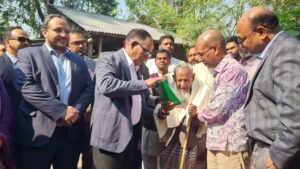
Future began yet from Chalan Bil @ Khubjee Pur, Gurudash Pur, Natore _”Elderly Care Services” from the Heartfelt sources initiative and Leadership of Md. Saidur Rahman, a prominent social welfare expertise, S/O Our fertile land Hon’ble Secretary for Health Service Division, Ministry Of Health & Family Welfare. In 6 December, 2025 Country Director Of The World Health Organisation-WHO Dr. Ahmed Jamshed Mohammed accompanied Excellency Secretary for Health And meet a Senior Citizen under Closely connected to “Elderly Care Services ” leaded by Honorable Secretary for Health with other High Officials, Local Community Leaders and Health Professionals.
WHO Representative said, Prabin (Elderly) Health Care Centre is a Role Model Of Global Social Service Arena and expressed his overwhelming inspired and impressive visiting experience from Elderly Care, Prabin Health Care Services Centre. Hon’ble Secretary for Health Excellency Md. Saidur Rahman, initiated Such a society do we want to be,

Leave a Reply